5 Places to Sell Your Art and Merch Outside of Furry Conventions
With furry cons getting harder and harder to get into due to increased demand with the same amount of space, it’s worth exploring other in-person avenues to sell your art and products to a mainstream audience.
While not all furry goods will have broad appeal or be appropriate for every venue, you’d be surprised at how many furry-adjacent items are enjoyed and enthusiastically embraced by “normies”. Here is a short list of potential avenues within your local community that you can explore to reach new audiences with the goods you already have.
1. Craft Fairs and Farmers Markets
Vending at a local craft fair or farmers market is a great way to get new eyes on your art using most of the convention set-up you already have. Free-to-attend pop up events at restaurants, breweries, and wineries as well as ticketed annual food and music festivals also fall into this category. Some are operated by city or community leaders, while others are hosted by private artists guilds or by the venues themselves, so do your research to see who is hosting the event, what the commitments are (whether it’s one-off or a recurring commitment) and the costs involved.
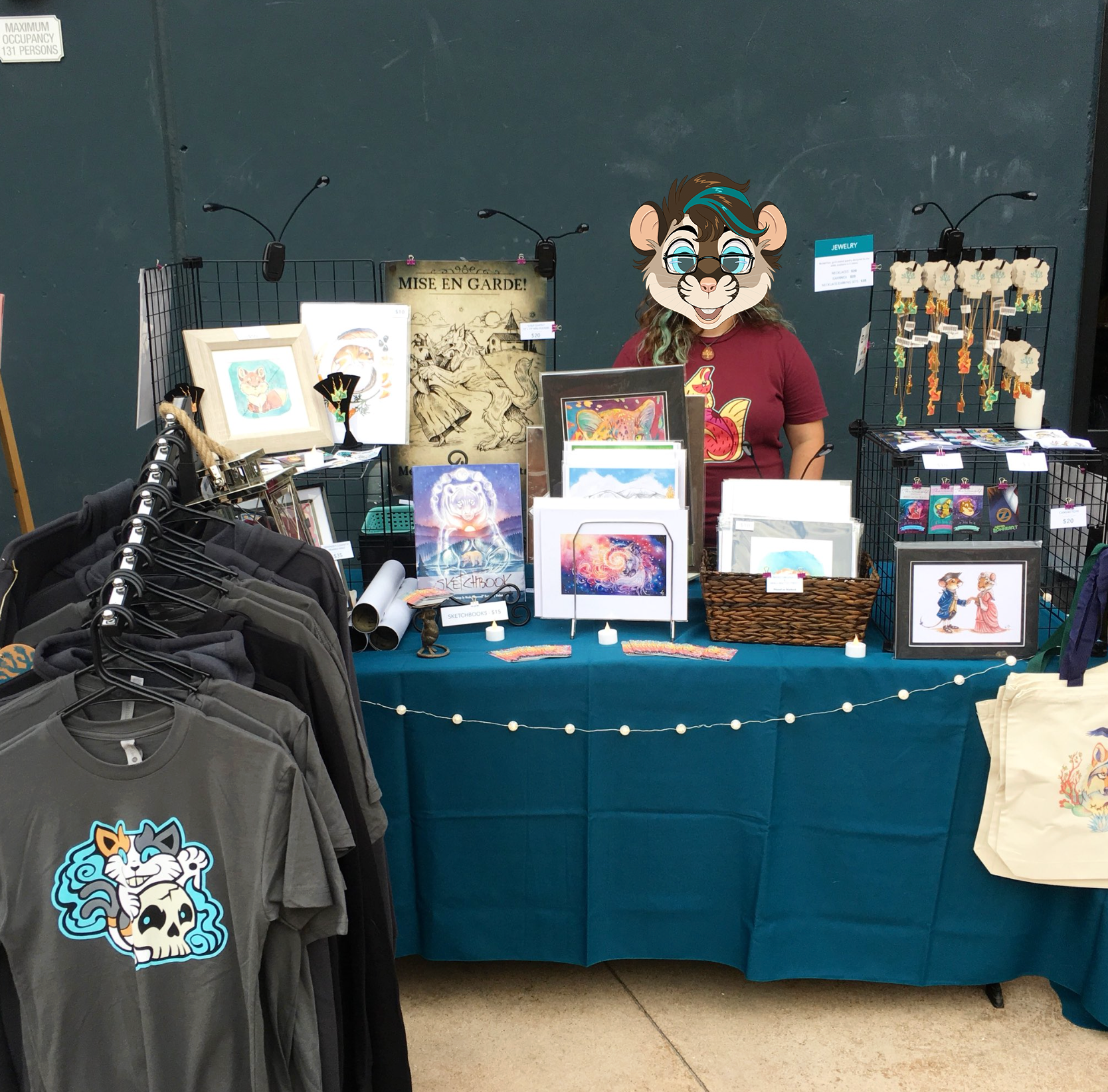
My booth at an Art & Beer Night Market at a local brewery.
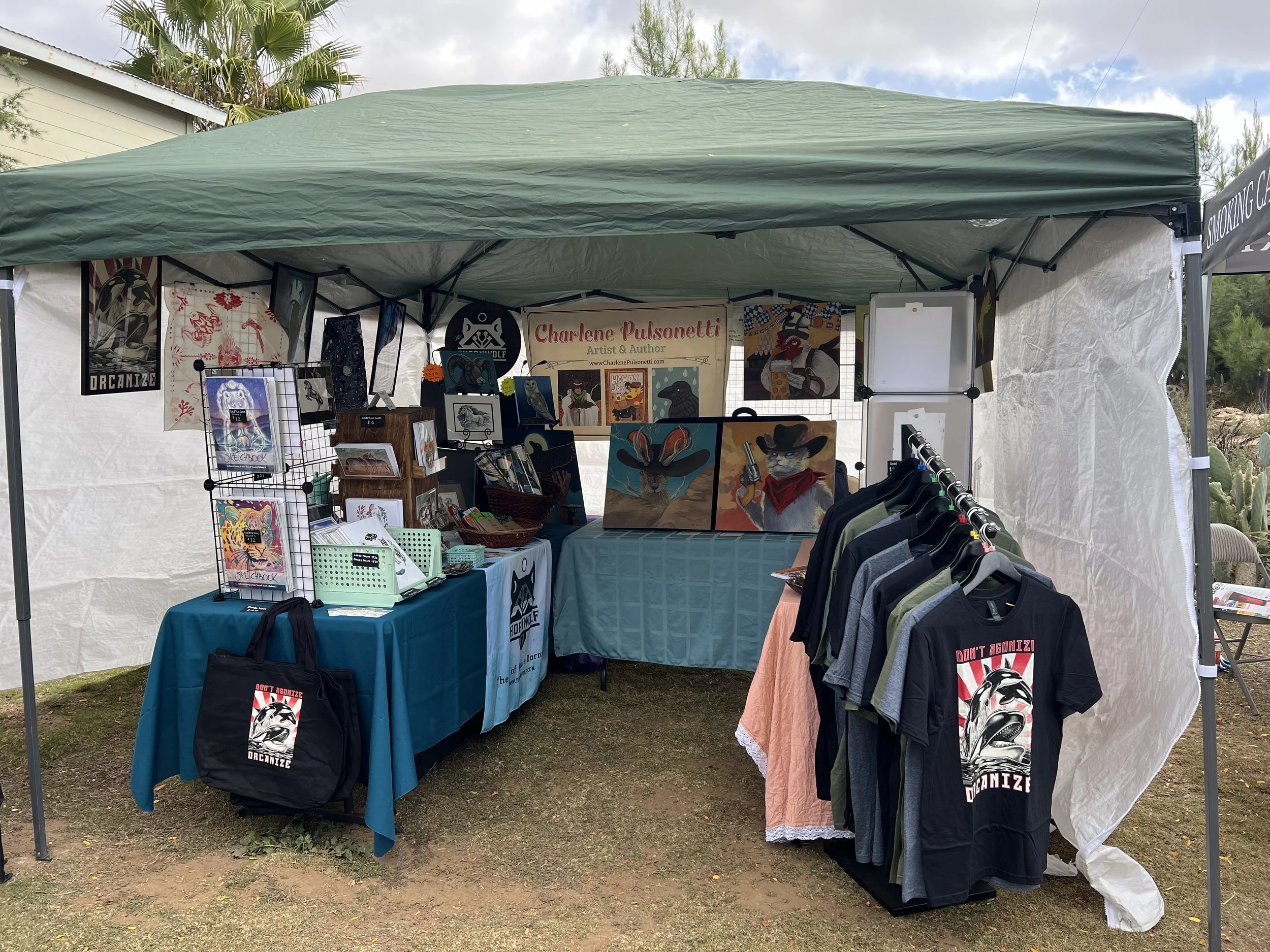
A shared booth at a local wine and music festival.
Types of vendors frequently seen at these events are soap sellers, candlemakers, wood workers, as well as fine artists with prints and originals for sale. Stickers are always a very popular item as they’re affordable and appealing to people of all ages. And of course, remember to keep items at your table suitable for a general audience, as families with kids will be in attendance.
2. Dog and Cat Shows
If you are an artist or merch seller whose work heavily features dogs and cats, this is a niche audience that is super eager to collect unique gifts depicting their breed of choice. From smaller, affordable merch such as pins, stickers, greeting cards, and mugs, to one-of-a-kind art pieces such as stained glass pieces or sculptures, these are just some of the kinds of items that are suitable for these venues.
Do you sew or make custom wearable crafts in fabric or leather? Dog bandanas, bespoke collars, pouches, and other handmade accessories are another good way to appeal to this type of customer.
An important tip to keep in mind is that the majority of buyers are attending these shows in a professional capacity and are single-minded in their search for breed-specific products. For example, people who breed and show standard poodles will seek out poodle items but are far less likely to buy products featuring a generic dog design. It’s wise to have at least a few items that are breed specific to balance out any general or other animal-related products.
As an added tip, familiarize yourself with established acceptable breed standards such as show-recognized coloration and markings or grooming styles so as to increase your appeal to the discerning dog or cat show attendee.
3. Artists Collectives
Most cities and communities have local artists collectives and guilds who may already be hosting their own events or selling opportunities. These consist of a group of artists who frequently share resources and are actively working towards common goals, such as creating a shared studio space, organizing exhibitions, and even hosting workshops and public outreach to get more eyes on the art. Some even have their own brick-and-mortar galleries where original artwork created by members are available for sale to the public.
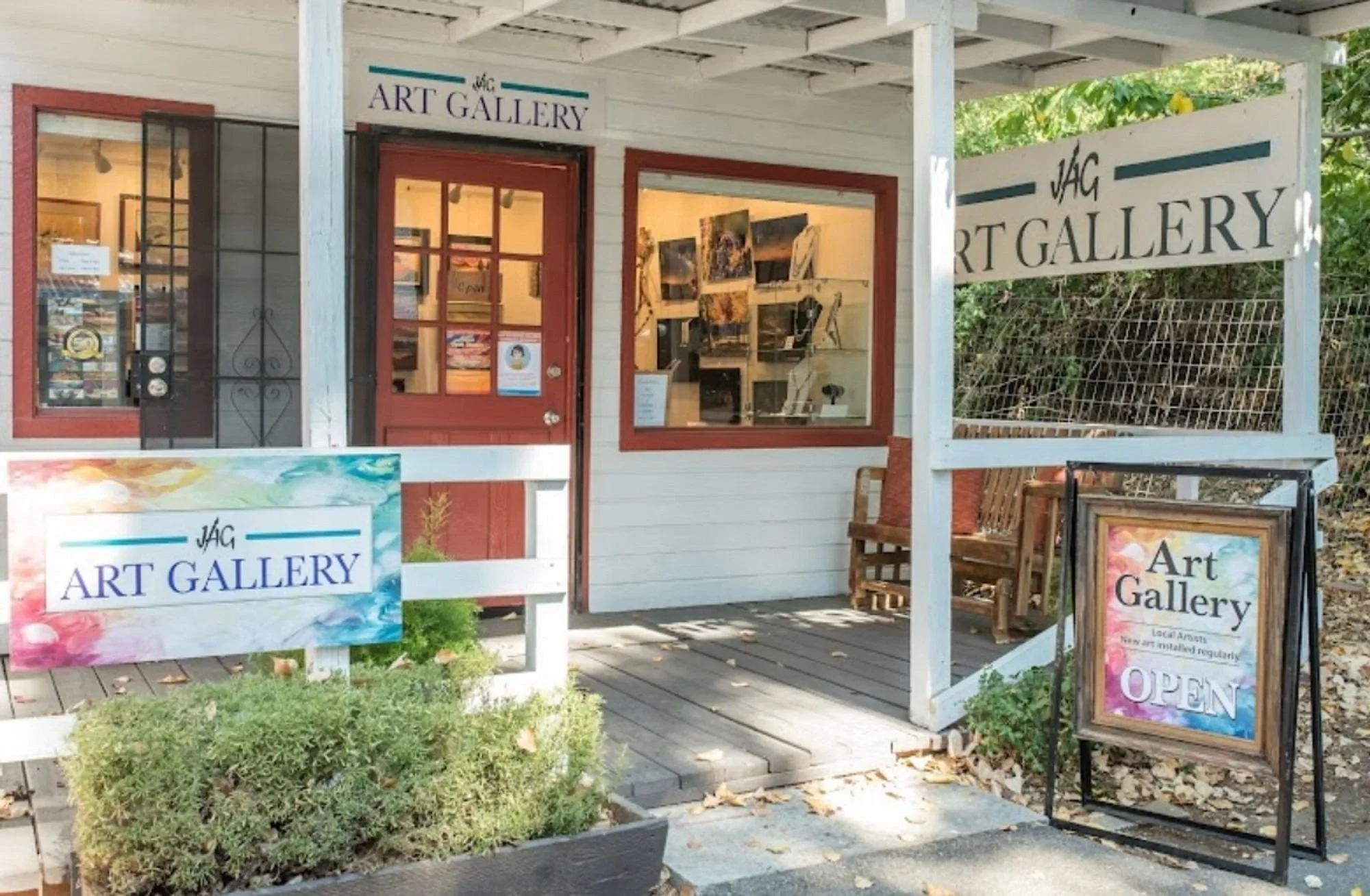
A regional gallery space hosted by my local arts guild which acts as both a show room and storefront for members.
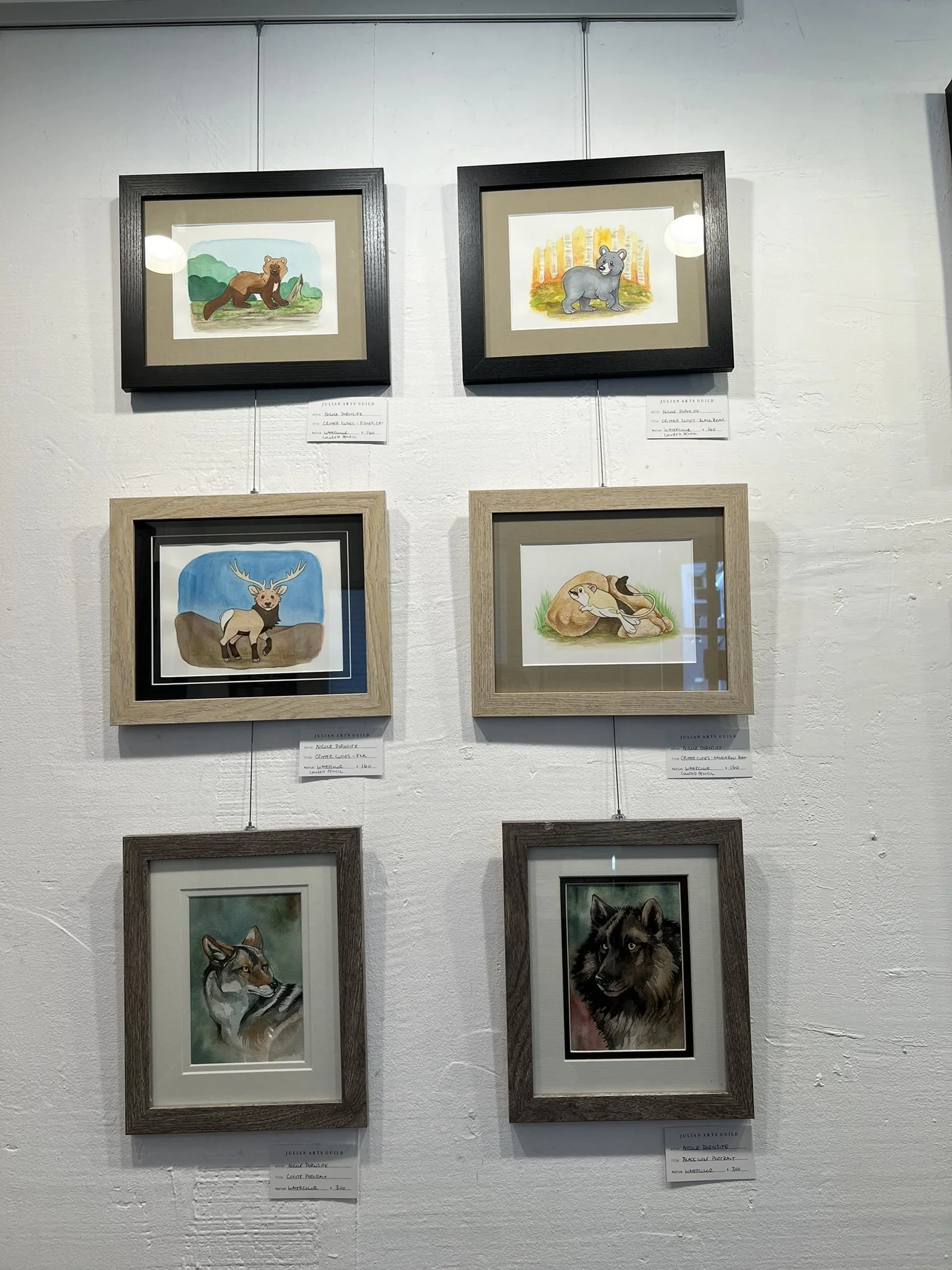
My work hanging up for sale in the artists guild’s gallery.
Whether the membership dues are monthly or annual, joining these groups can help you enter into an already thriving community of artists and makers who are all trying to achieve the same goals. By becoming a member and pooling your resources, you can take advantage of the opportunities they already have available without having to go it alone.
Search online for “artist collective (your location)” to see what pops up and see if you and your work might be a fit.
4. Boutique and Consignment Stores
Independent gift shops, boutiques, and consignment stores frequently accept work from local artists, all you have to do is ask! If you walk into a shop, look around and think “I could see my work here,” ask the staff if they accept submissions and what their terms are.
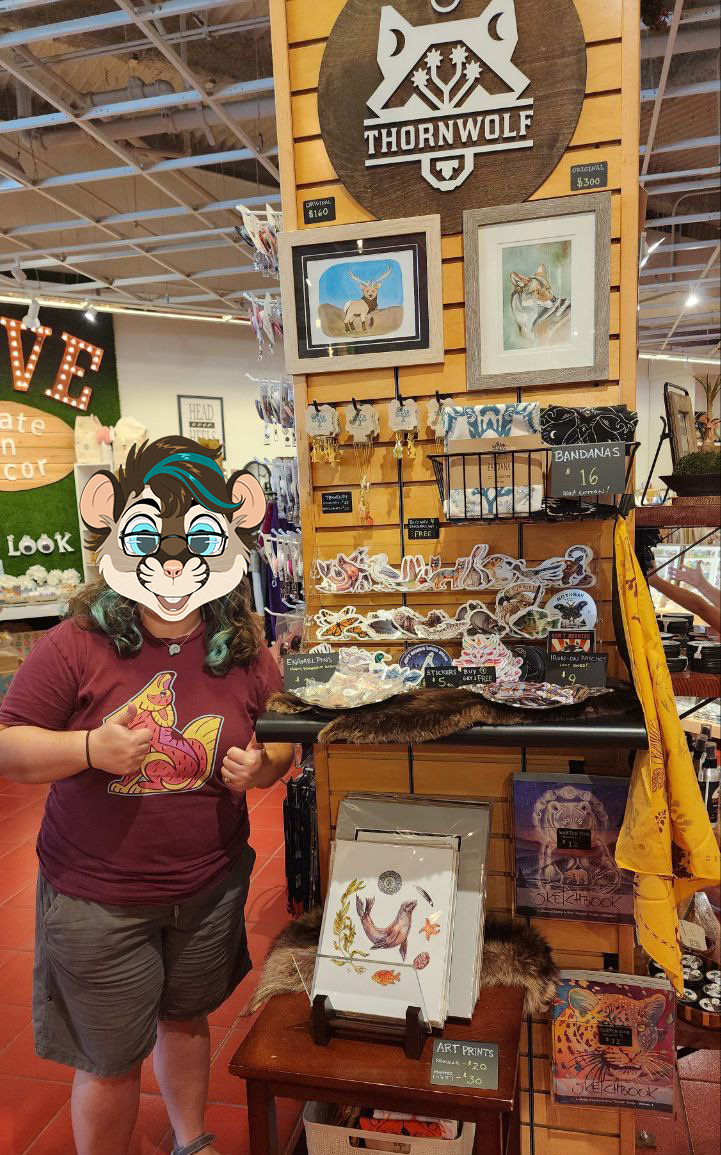
My first local consignment space at Sea Hive in San Diego. This has expanded into a multi-location and multi-year opportunity for passive income.
Some may focus solely on highlighting local artisans and their wares while others might have preferred corporate suppliers but could potentially entertain the idea of consignment with an independent creator for the right pieces.
Depending on the shop, there’s also potential for a wholesale opportunity instead of consignment, which will allow you to be paid outright at a markup rate that falls between manufacturing and retail prices for merch you already have on hand or can easily get made to order in bulk.
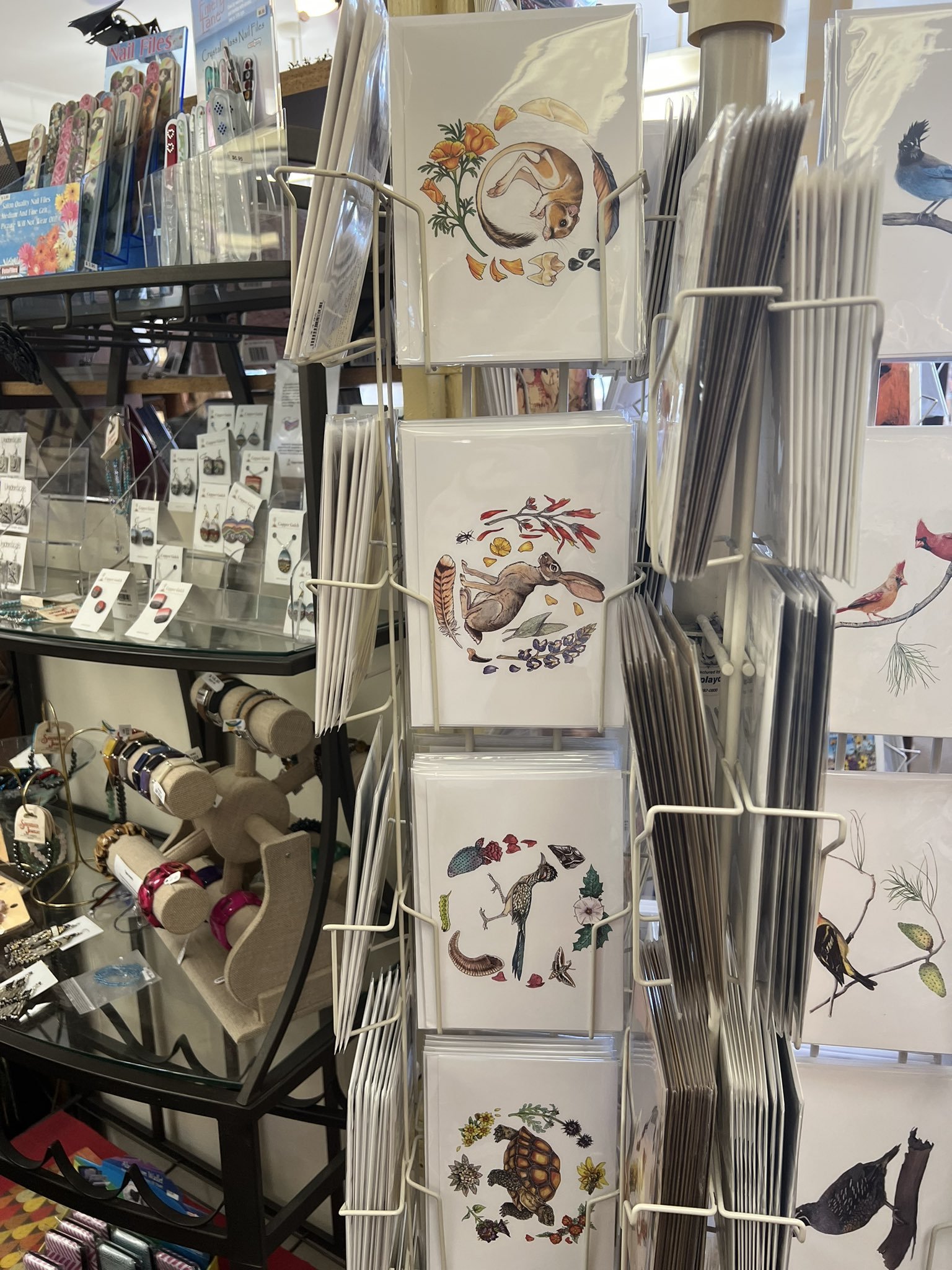
My greeting cards on display in a wholesale client’s gift shop.
5. Furry Pop-Ups
Sometimes you gotta be the change you want to see in the world! In response to both a need for furry makers to sell their work and local furries wanting to get together outside of a major convention, there’s been an increase in furry pop-up events that feature anything from furry vendors, DJs, music, food, and more.
CHOMP in Florida, Motorized Animal Weekend (MAW) in Los Angeles, Howl’s Eve in Chicago, and Fandom Flea (which is an extension of Connecticon) are all examples of prior furry pop-ups that were put together by furries and available to the public, right in their own communities.
Is there a similar event in your area, or is this something you and other local furries could reasonably put together? It could be worth looking into!
Bonus Tip 1: Do Your Homework
No matter the venue, it’s important to first explore the vendor space and get an idea for the vibe so you can better tailor your offers to match the target audience. You don’t want to be selling items containing adult-oriented humor or imagery at a pop-up Christmas market hosted by an elementary school, for example.
Some pieces of yours might work for one venue but might not be suitable for another, but you won’t know unless you do your research, see what other vendors are selling, and get an idea of who the target buyer is.
Bonus Tip 2: How to Make Connections
Even if a venue or shop you’ve been eyeing has email and social media, oftentimes the best connections are made in-person. In addition to business cards, keep a very small amount of stock with you at all times, such as stickers, pins, charms, or anything that you can easily carry in your day bag or purse. That way, when you’re browsing a local shop or event to see if it could be an opportunity for you, you can show off real-life examples of your work for consideration to whoever is in charge.
Bear in mind, it’s advisable that these be given for free as gifts, so don’t bring anything too expensive. You can show them off without the intent for them to keep them, but I’ve found it’s far easier to get a foot in the door when the person comes away from an interaction with you with something that they can keep that establishes a positive connection. If you don’t make things that can be easily given away, such as sculptures or hand-sewn crafts, make sure to keep a curated photo gallery folder on your phone of examples of your work so that you can quickly show them a selection without hunting through your photo reel.
Here’s a step-by-step example interaction that you can follow:
When you’re browsing a shop or event, look around and see if you can reasonably see your work there. Be honest with yourself and put yourself in the shoes of the customers who are already shopping at that store. What are they looking at? What does the shop already sell?
If you feel that your work would be a fit, ask someone in charge and inquire, using your merchandise examples that you’ve brought with you.
An example of something you could say is, “I’m a local artist and I make and sell (x). Do you accept submissions to sell in your shop/at your event? Here are some examples of the things I make. You can keep them! I sincerely appreciate your help” at which point you give them a couple of items.
Be polite, show gratitude, and most importantly, be professional. You might be working with these people someday, so treat it like the business interaction it is.
Final Advice: Be Patient
To set expectations when exploring new markets, it’s rare that you will get a “yes” up-front with an immediate expectation to move forward. What typically happens is you’ll either be given the contact information of someone else to reach out to for consideration, a website, or other literature that you’ll be able to take with you for next steps. Sometimes you might get a flat out “no”, but if this happens, don’t take it to heart.
Rejections, including soft “ghosting” even after keeping your samples can and does happen frequently (which is why you don’t want to give away expensive sample items), but that is just part of market research and making connections. Remember that you’re a stranger courting new selling venues that are outside of your typical audience, and they need to make sure they are serving their customers with the right mix of goods and wares. If it’s not a fit, it’s not a fit.
Regarding people keeping your samples, think about how many free samples you’ve eaten at a farmers market without buying a thing, but also things that were so novel that you were immediately inspired to pull out your wallet. If free samples didn’t work to win buyers sometimes, they wouldn’t offer them! But don’t stretch yourself too thin or give away more than you can afford to lose. Your goal, after all, is to make money, but it doesn’t hurt to make a friend with a freebie where you can.
Persistence and patience is key when exploring other avenues to sell your work outside of furry cons, but if you keep looking, you could potentially unlock a new opportunity you didn’t know you had from right within your immediate local community.